8 Crucial Updates on Google's Project Toscana: Why the Pixel 11's Face ID Rival May Be Delayed
For years, Android enthusiasts have envied Apple's seamless Face ID system. Google appeared poised to deliver a worthy competitor with its secretive "Project Toscana," an advanced IR Face Unlock feature. However, a new leak now suggests that this highly anticipated technology may not appear on the upcoming Pixel 11 series as previously expected. Despite promising internal tests that matched Face ID's blazing speed, mounting evidence points to a significant delay. What does this mean for Google's hardware ambitions and the Pixel 11's feature set? Here are eight key things you need to know about the unfolding saga of Project Toscana.
1. What Is Project Toscana?
Project Toscana is Google's internal codename for an advanced infrared (IR) face unlock system designed to rival Apple's Face ID. Unlike the current 2D face unlock found on many Android devices, Toscana uses a dedicated IR camera and dot projector to create a detailed 3D map of the user's face. This enables secure, fast authentication even in low light. The project has been in development for several years, with early whispers emerging in 2024. It represents a critical step for Google to offer a truly secure and convenient biometric alternative to fingerprint sensors and basic face unlock methods. The system aims to combine high security with the near-instant convenience that iPhone users have enjoyed for years.
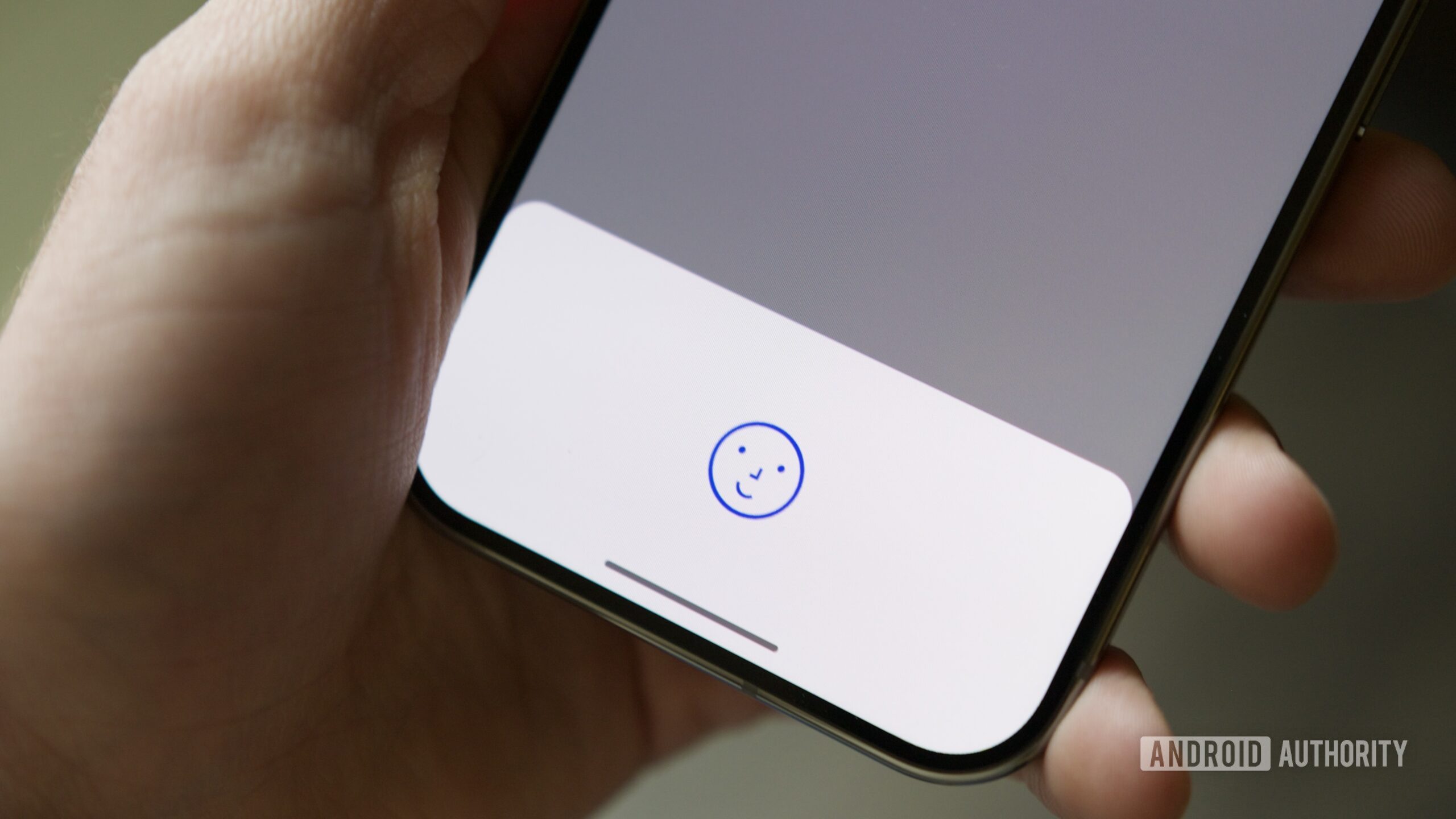
2. How It Differs from Current Pixel Face Unlock
Existing Pixel phones, like the Pixel 8 and 9 series, rely on standard camera-based face recognition. This method is convenient but less secure because it uses a simple 2D image, making it vulnerable to photographs or videos. Project Toscana, in contrast, uses IR flood illuminators and a separate camera to capture depth information. This allows it to work in complete darkness and resist spoofing attempts. Google has also been working on making the unlock sequence feel instantaneous, aiming to match the frictionless experience of Apple's Face ID. The upgrade would require new dedicated hardware—likely a dot projector and IR sensor—embedded in the phone's display notch or bezel, a major change from current Pixel designs.
3. Internal Tests Showed It Is Nearly as Fast as Face ID
In February 2025, reports indicated that Project Toscana had reached an advanced testing phase. UX testers—both on prototype Pixel phones and Chromebooks—reported unlock speeds that were "just as quick" as Apple's Face ID. This was a major milestone, suggesting the software and hardware combination was nearly production-ready. However, speed is only one factor; reliability, environmental adaptability, and app integration also needed refinement. The tests also revealed that the system worked seamlessly across different lighting conditions and angles, though occasional issues with glasses or masks were noted. These promising results fueled excitement for a 2026 debut, but recent leaks suggest those plans may have hit a snag.
4. Testing Extended to Chromebooks
Uniquely, Google didn't limit Project Toscana testing to smartphones. Chromebook prototypes also received the IR face unlock hardware, indicating Google envisioned a cross-platform ecosystem similar to Apple's continuity. Imagine unlocking your Pixel phone and instantly having your Chromebook recognize you without entering a password. This integration would strengthen Google's device ecosystem and compete with Apple's seamless handoff features. Testers reported similar positive experiences on Chromebooks, with the IR system working reliably even when the laptop lid was closed and reopened. However, the complexity of optimizing for two different operating systems—Android and ChromeOS—may have contributed to the development delays. The need to certify security and performance across multiple device types is a significant engineering challenge.
5. The Leak That Changed Everything
A recent leak from a reliable tipster within Google's hardware division suggests that Project Toscana is not yet ready for prime time. According to the source, the feature has been pushed back due to unresolved reliability issues in certain edge cases, such as when users wear heavy sunglasses or have reflective face coverings. Additionally, the dot projector's power consumption remains higher than desired, impacting battery life during repeated unlocks. While internal XT (cross-team) testing continues, the feature has not passed the stringent launch-review gate for the Pixel 11 series, which is currently scheduled for a 2026 release. This marks a stark reversal from earlier optimism and leaves Google scrambling for a fallback biometric solution.
6. Impact on Pixel 11 Release Timeline
The Pixel 11 series, expected in late 2026, was widely reported to be the debut vehicle for Project Toscana. If the leak holds true, Google will likely need to either omit IR Face Unlock entirely or replace it with a simpler, less secure alternative. This could disappoint early adopters who were holding out for the iPhone-like feature. The delay also raises questions about Google's hardware development cycle: Could the Pixel 11 launch without the advanced unlock system, or will Google push the feature to a mid-cycle update like the Pixel 12? Some speculate that Google may reallocate resources to perfect an under-display fingerprint sensor as the primary biometric, relegating Toscana to a later Pixel notch.
7. Google's Official Silence
As of now, Google has not officially acknowledged Project Toscana's existence, let alone its delays. This is typical for pre-release technologies, but the lack of communication has led to rampant speculation. Historically, Google has canceled or postponed features without public comment (e.g., Project Soli in Pixel 4). The company's silence may indicate that the feature is still in flux—possibly being re-engineered or even scrapped entirely. Analysts advise caution: treat Project Toscana as a potential bonus, not a guarantee. Google's next major developer conference, Google I/O 2026, could provide the first official hints if the company mentions advanced biometrics in its roadmap.
8. What This Means for Future Pixel Devices
The possible absence of IR Face Unlock on the Pixel 11 doesn't mean the project is dead. Google may target the Pixel 12 or a dedicated Pixel Tablet for the feature. More importantly, the delay suggests Google is prioritizing security and reliability over rushed integration. For consumers, this is ultimately good news: a half-baked unlock system would be worse than waiting an extra year. However, it does leave a gap in Google's biometric portfolio. Future Pixels will likely continue relying on under-display fingerprint sensors and standard face unlock, augmented by software improvements. For now, those craving Face ID-like convenience on Android may need to look to competitors like the OnePlus or Xiaomi, which already offer similar IR solutions.
The saga of Project Toscana highlights the immense difficulty of matching Apple's vertically integrated biometric security. While delays are disappointing, Google's cautious approach may ultimately deliver a more polished product. Whether it arrives on the Pixel 11 or later, the battle for the best face unlock is far from over. Keep an eye on upcoming leaks and official announcements for the next chapter in this story.