Why I Ditched My Android Phone for an iPod to Enjoy Music Again
Introduction: The Paradox of Modern Music Listening
As a tech enthusiast who grew up splicing tapes and carrying portable CD players, I’ve witnessed the evolution of audio consumption firsthand. Today’s Android phones are engineering marvels—they boast screens that rival high-end televisions, transparent DAC chips, near-lossless wireless streaming, storage capacity that dwarfs early computers, and processing power fit for a small data center. Yet, when I want to truly sit down and immerse myself in an album, my phone becomes the most frustrating tool in my pocket. The constant barrage of notifications from Slack, AI-curated discovery feeds pushing viral tracks, and the sheer weight of endless connectivity transform a simple listening session into a chore. It shouldn’t be this way. A fully connected device with access to virtually every song ever recorded should offer the ultimate listening experience. But in practice, it doesn’t.
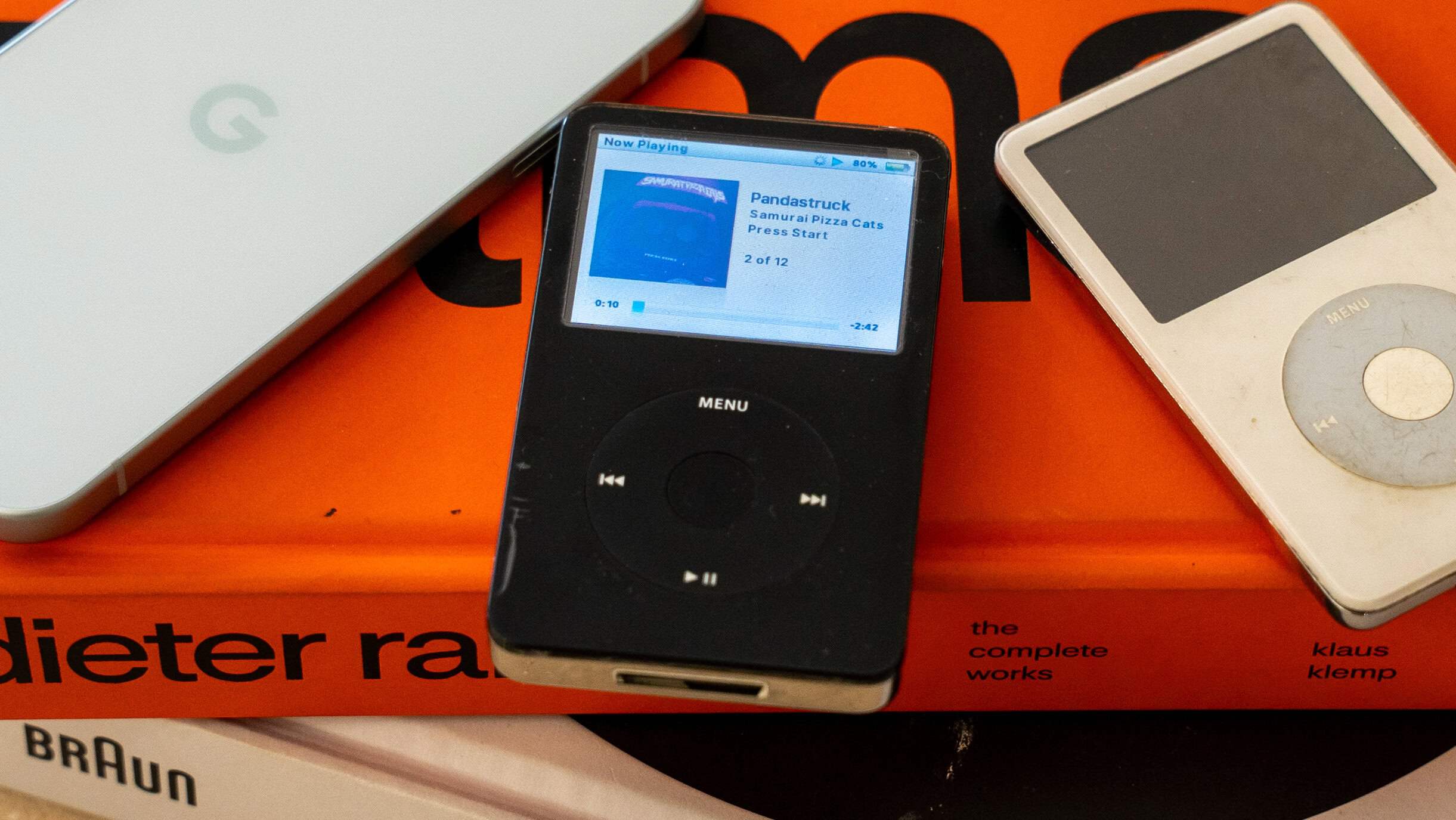
The Distraction Problem
Modern phones are designed to keep you engaged—with apps, messages, and endless notifications. When you pull out your phone to listen to music, you’re immediately confronted with red badges, pop-up alerts, and algorithmic suggestions. The core issue isn’t the audio quality; it’s the environment. A phone is a multitool, not a dedicated music player. As a result, listening becomes fragmented, and the deep focus required to appreciate an album is lost.
Notification Overload
Every ping from Slack, every email alert, every social media update competes for your attention. Even if you silence notifications, the anticipation of an interruption lingers. This cognitive load diminishes the listening experience. In contrast, an iPod—with no internet connection, no apps, and no distractions—allows you to focus solely on the music.
Algorithm Fatigue
Streaming services on phones use AI to push discovery feeds, often forcing viral tracks or playlists that don’t align with your mood. While discovery can be great, the constant suggestion can feel like a restaurant waiter repeatedly interrupting your meal. The iPod puts you in control: your library, your playlist, your tempo.
The Case for a Dedicated Music Player
Returning to my iPod—a device with a fraction of the storage and processing power—seemed like a step backward. Yet, it turned out to be a leap forward for my listening habits. Here’s why:
Uninterrupted Listening Sessions
Without notifications, I can finally listen to an entire album from start to finish. The iPod forces a linear, intentional listening experience. No skipping to check a message; no pausing to respond to a work chat. It’s just you and the music.
A Curated Library, Not a Firehose
My iPod only holds the albums I’ve deliberately chosen to sync. This limitation is a feature: it eliminates decision paralysis and the temptation to hop between millions of tracks. You live within a curated collection, revisiting favorites and discovering nuances you missed on shuffle.
Battery Life and Simplicity
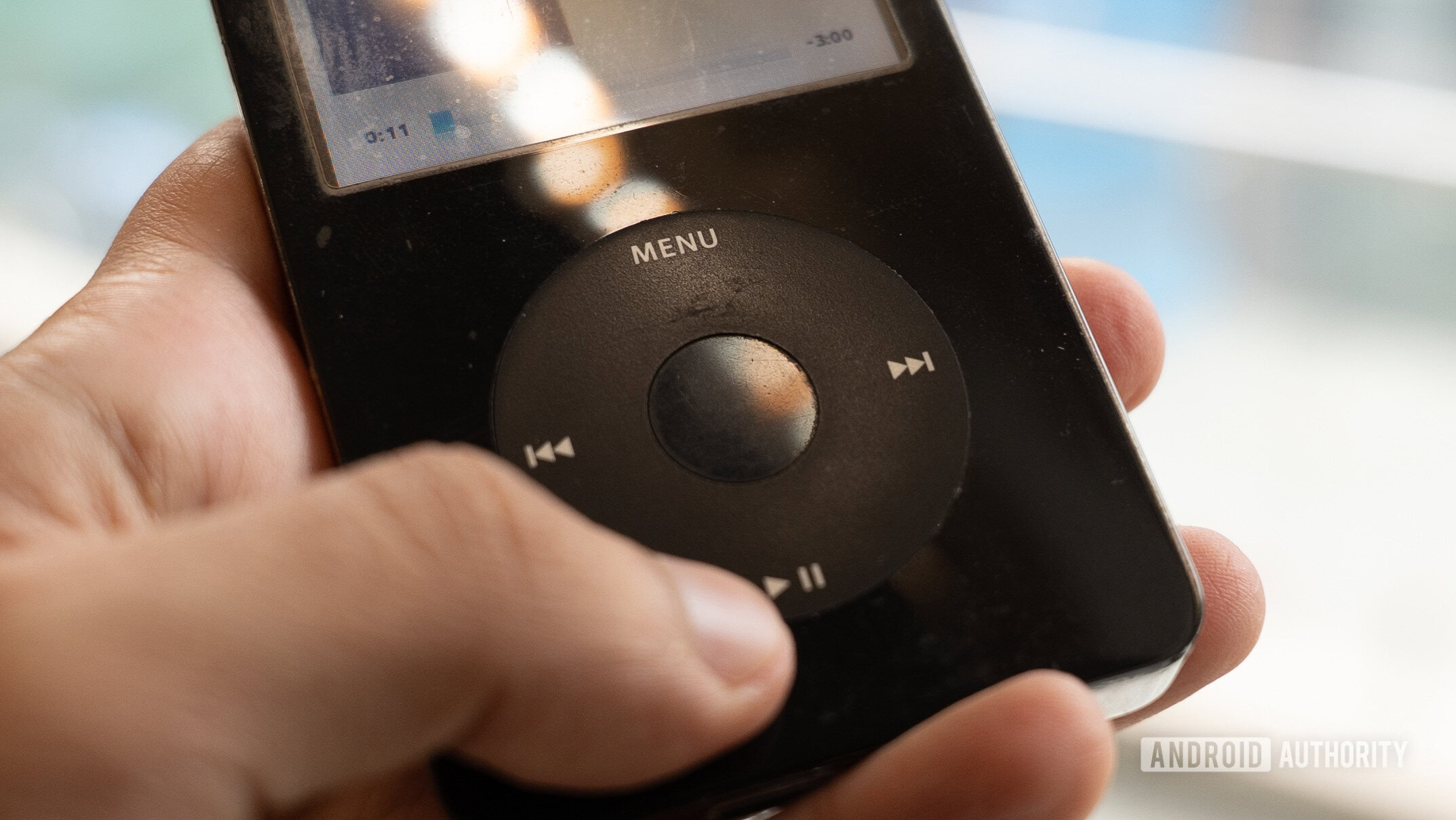
iPods last days on a single charge when used solely for music. No background apps drain power. The interface is snappy and purpose-built. This simplicity reduces friction, making it easier to press play and enjoy.
The Audio Quality Myth
Many assume modern phones have superior DACs and amplifiers. While that’s true for flagship models, the difference between a phone’s headphone jack and an iPod’s is often negligible to the average ear. More importantly, the perceived quality improves when you aren’t distracted. Psychological studies show that focused listening enhances sound perception—so a technically inferior device can sound better when free of interruptions.
Practical Tips for a Distraction-Free Music Experience
If you’re considering a similar switch, here’s what I recommend:
- Choose a dedicated player: It doesn’t have to be an iPod. Any portable music player without internet connectivity works.
- Load it with your favorites: Curate a library of albums you love. Don’t just throw in everything you own.
- Create listening rituals: Set aside time—without other screens—to listen to a full album.
- Use wired headphones: They eliminate Bluetooth lag and codec compression, though wireless can also work if your player supports high-quality codecs.
- Embrace limitations: Don’t fight the lack of streaming. Instead, enjoy the fact that you can’t skip to a new release. This forces deeper engagement.
The Verdict: Less is More
Going back to an iPod isn’t just a nostalgia trip. It’s a conscious decision to reclaim the essence of music listening. The phone in your pocket is a Swiss Army knife—powerful but unfocused. The iPod is a single-purpose tool, and single-purpose tools often deliver the best experience. If you find yourself skipping songs mid-track or checking Instagram during a climax, consider unplugging from the phone and plugging into a dedicated player. The music will sound better, I promise—not because of the hardware, but because of your attention.
For more on building a distraction-free music setup, see our guide on creating a curated library and implementing listening rituals.