Digital Rights Movement Transforms from Arab Spring Optimism to Sober Reality, Experts Say
Breaking News — A decade after the Arab Spring, the digital rights movement in the Middle East and North Africa has evolved from idealistic hopes for internet-driven democracy into a gritty struggle for fundamental freedoms, according to key activists and researchers. The movement, once focused on leveraging social media for revolution, now confronts state surveillance, platform censorship, and the geopolitics of connectivity.
Jump to Background | Jump to What This Means
Background: From Digital Euphoria to Grounded Advocacy
In 2011, ‘digital rights’ was a nascent term. A handful of groups—like Nawaat in Tunisia, the Arab Digital Expression Foundation, and SMEX—pioneered the call to treat internet access as a human right. Since then, dozens of organizations have emerged across the region, championing privacy, free expression, and digital security.
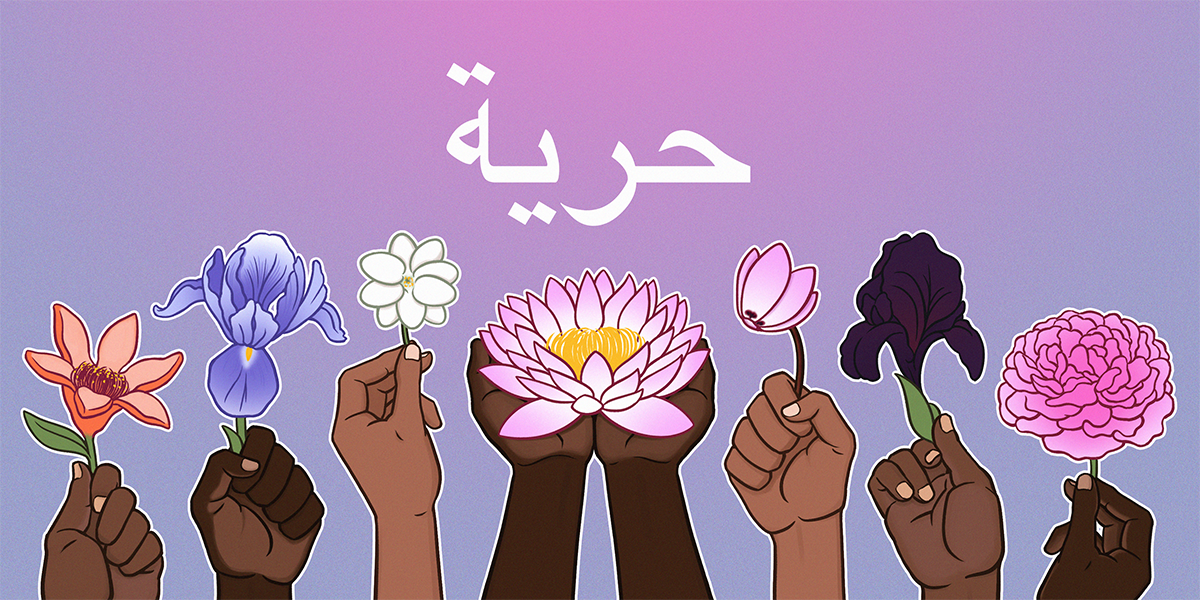
“Digital rights emerged around the Arab Spring, when the internet was still a fairly unregulated space,” says Reem Almasri, a senior researcher and digital sovereignty consultant. “We were still trying to figure out tech companies’ policies and force governments to recognize the internet as a fundamental right.” Now, she explains, the field is converging with “everyday rights—economic, political, social—and geopolitics.”
From Social Media Optimism to Infrastructure Battles
Initially, activists saw social media as a democratizing tool. Mohamad Najem, co-founder of SMEX, the region’s largest digital rights organization, recalls: “Nobody gave [social media] a lot of attention in our region. Our work was a positive approach—how to democratize sharing information and change minds.”
But post-2013, the focus shifted. “We started looking at the infrastructure of the internet,” Najem says, “examining how freedom of expression and privacy are shaped by regulations and corporate conduct.” This pivot reflects a broader realization: online empowerment requires defending the very pipes of connectivity.
What This Means: A New Frontier for Digital Rights
The maturation of the digital rights movement signals a critical turning point. As governments tighten surveillance and social media platforms restrict speech, the fight is no longer just about access—it’s about sovereignty, data justice, and fair governance.
“We now look at digital rights as inseparable from other struggles,” adds Almasri. “It’s about connecting online freedoms to offline realities, from labor rights to political participation.” For the region, this means sustained advocacy, litigation, and international pressure to hold both states and tech giants accountable.
The next decade will test whether the movement can turn awareness into lasting structural change.
Key Developments to Watch
- Policy pushes: Groups like SMEX are lobbying for data protection laws and net neutrality.
- Grassroots education: Digital security workshops are expanding beyond activists to journalists and ordinary citizens.
- Cross-border coalitions: Regional alliances are forming to counter surveillance tech exports.
This story is the last in a series on the Arab Spring’s digital legacy. Read earlier parts here.