Microsoft Releases Earliest DOS Source Code to Public on 45th Anniversary
Microsoft Releases Earliest DOS Source Code to Public on 45th Anniversary
Microsoft has published the oldest known source code of its operating system, 86-DOS 1.00, on GitHub under the MIT license, marking the 45th anniversary of the code that launched the company's dominance in personal computing. The release includes the kernel, utilities like CHKDSK, and the assembler used by original author Tim Paterson.
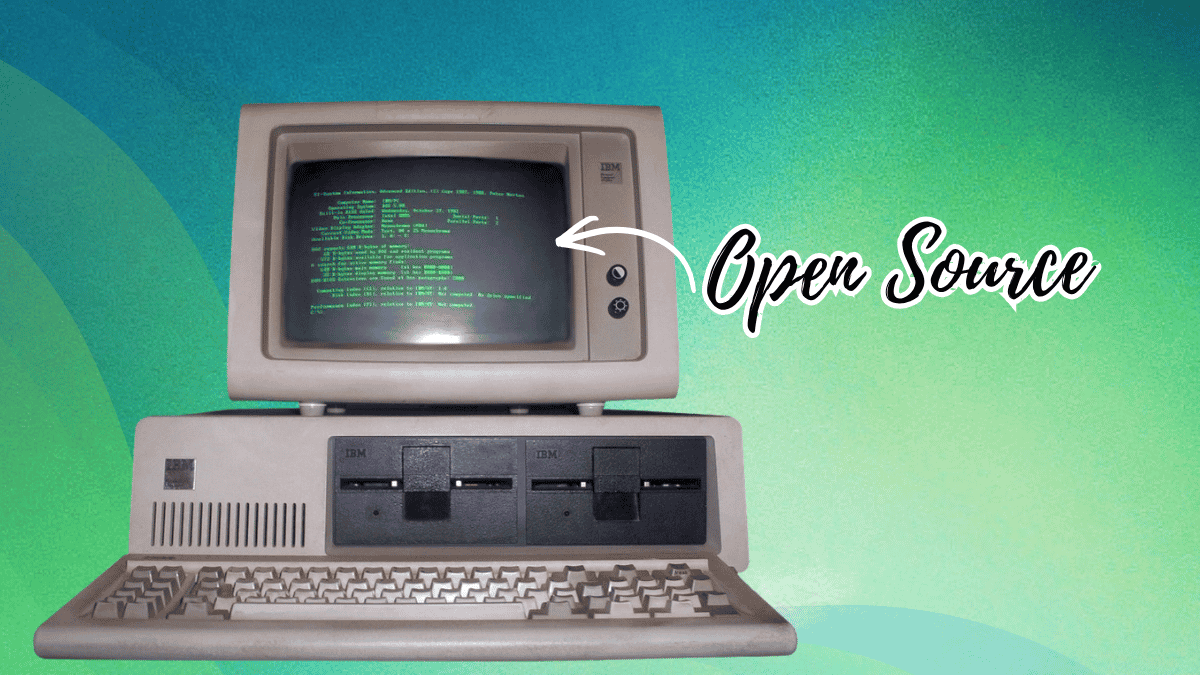
"This is the code that started it all," said a Microsoft spokesperson. "By open-sourcing it, we hope to preserve computing history and inspire a new generation of developers." The source code was not stored digitally; it existed only as physical assembler printouts and stacks of continuous-feed paper from 1981, preserved by Paterson for decades.
Historians Yufeng Gao and Rich Cini spent months locating, scanning, and transcribing the DOS-related portions into compilable code. "The challenge was immense," said Cini. "We had to carefully extract every line from old paper and ensure it assembled correctly."
Background
In 1980, Tim Paterson at Seattle Computer Products wrote QDOS (Quick and Dirty Operating System) to fill a gap: Intel's 8086 chip had no supported OS, while dominant CP/M lacked 8086 support. He modeled it after CP/M to ensure software compatibility, creating 86-DOS.
Microsoft bought the rights to 86-DOS for under $100,000, shipped it to IBM as PC DOS 1.0 in August 1981, and retained rights to sell it to other PC manufacturers as MS-DOS. That single deal set Microsoft on a path to dominate personal computing for two decades.

What This Means
This open-source release continues Microsoft's pattern of releasing historic code. Previous releases include 6502 BASIC (2025), MS-DOS 4.0 (2024), and MS-DOS 1.25/2.0 (2018). The code is compilable, requiring a copy of Seattle Computer Products' ASM assembler from any early DOS release.
"For those interested in low-level systems or retro computing, this is a treasure trove," said historian Rich Cini. "You can actually build the kernel and see how early PC operating systems worked." The repository includes the 86-DOS 1.00 kernel, several development snapshots of PC-DOS 1.00 kernel, utilities like CHKDSK, and the assembler Paterson used. The README provides steps to compile.
While some may see this as just another Microsoft open-source gesture, it represents a unique window into computing history. The 86-DOS code shows the humble beginnings of an operating system that would eventually run on millions of PCs worldwide.