How to Advocate for the Release of Imprisoned Digital Rights Defender Osama Khalid
Introduction
Osama Khalid began contributing to Wikipedia Arabic at age 12, became a prolific blogger, and advocated for internet freedom while training as a pediatrician. In July 2020, Saudi authorities detained him during a wave of arbitrary arrests. His sentence started at 5 years, was increased to 32 on appeal, reduced to 25 in 2023, and again to 14 years in September 2024. His “crime” was sharing information online that conflicted with official narratives—including Wikipedia articles on human rights and a blog criticizing surveillance plans.
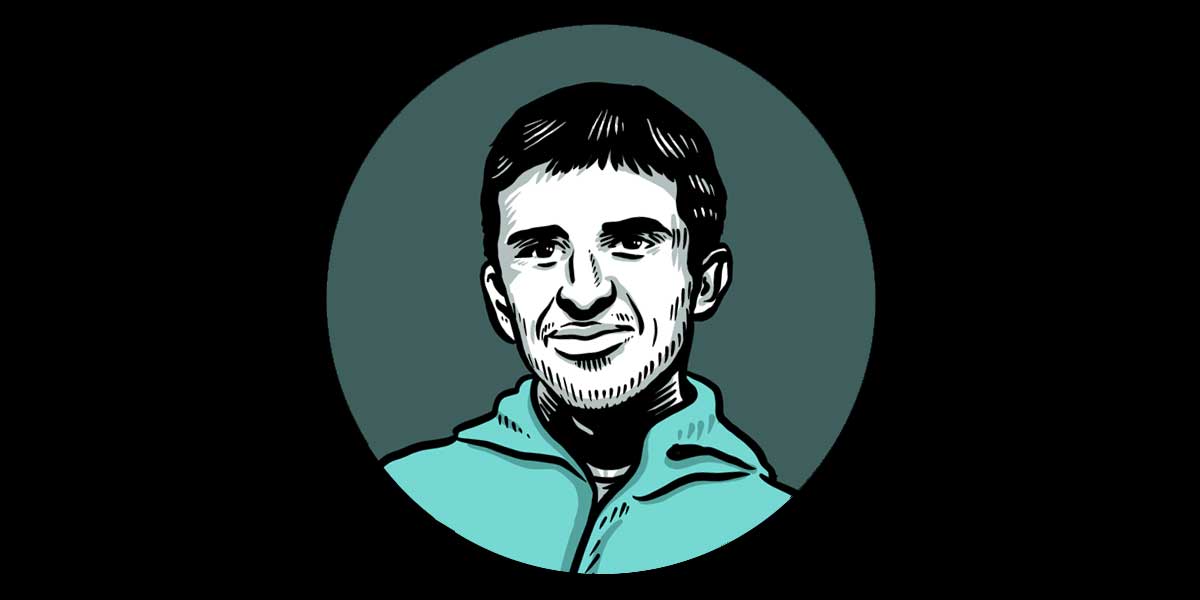
This guide provides a step-by-step method to join the offline campaign for Osama’s release. By following these steps, you can amplify international pressure, support legal advocacy, and help shift the political cost of repression. Each step builds on the previous one, from learning the facts to taking concrete actions.
What You Need
- Reliable internet access
- A social media account (Twitter/X, Facebook, Instagram, or LinkedIn)
- Email address for contacting elected officials
- Optional: access to a printer for offline materials
- Optional: a local human rights organization or activist group
Step-by-Step Guide
Step 1: Educate Yourself on Osama Khalid’s Case
Start by thoroughly understanding the facts. Read the full story from trusted sources like the Electronic Frontier Foundation (EFF) or ALQST, the Saudi human rights organization leading the campaign. Key points to know:
- Osama contributed to Wikipedia Arabic as a teenager and was a pro bono translator for EFF’s HTTPS Everywhere.
- He was arrested in July 2020 during COVID-19 lockdown, part of a wave of arbitrary arrests.
- His sentence fluctuated wildly: 5 years → 32 → 25 → 14 years, showing judicial arbitrariness.
- He was charged for sharing information that contradicted official narratives, including content on women’s rights activist Loujain al-Hathloul and al-Ha’ir prison.
Take notes on these details so you can accurately educate others.
Step 2: Prepare Your Own Narrative
Craft a short, clear message that you can use repeatedly. Focus on the core principle: writing code, sharing ideas, criticizing governments, and organizing online should not be crimes. Example:
"Osama Khalid is a Saudi pediatrician and Wikipedia editor imprisoned for 14 years for his online advocacy. Join me in calling for his immediate release. #FreeOsamaKhalid"
Personalize it if you wish—mention why digital rights matter to you. Keep it under 280 characters for Twitter, or expand for other platforms.
Step 3: Amplify the Campaign on Social Media
Use the hashtag #FreeOsamaKhalid and tag relevant organizations: @EFF, @ALQST, @Wikipedia, and human rights accounts. Post regularly but not spam—aim for 2-3 times per week. Vary your content:
- Share a photo of Osama with a fact.
- Quote from the joint letter signed by EFF and others.
- Link to the petition (if one exists).
- Retweet or share posts from ALQST and EFF.
Engage with others by replying to their posts, adding your own perspective. Use stories on Instagram or Facebook to keep the case visible.
Step 4: Contact Your Government Representatives
Write to your local elected officials—members of parliament, congress, or foreign ministry. Explain Osama’s case and ask them to raise it with Saudi authorities. Template:
Dear [Representative Name],

I am writing to urge you to speak out for the release of Saudi pediatrician Osama Khalid, sentenced to 14 years for his online activities. His case exemplifies arbitrary detention and suppression of free expression. Please contact the Saudi embassy and demand his immediate release.

Thank you,
[Your Name]
Send via email or postal mail. Follow up with a reminder after 2 weeks. Also consider contacting the Saudi embassy or consulate in your country with a respectful but clear message.

Step 5: Organize or Join Local Offline Actions
EFF has launched an offline campaign. You can participate by:
- Hosting a small vigil or information table in a public space (with permission).
- Distributing flyers with Osama’s story and QR code linking to the campaign page.
- Partnering with a local human rights group to hold a teach-in.
If you cannot organize, find existing events on ALQST’s website or EFF’s action page. Attend and bring friends.
Step 6: Support Legal and Advocacy Efforts Financially
Donate to organizations working on Osama’s case. EFF and ALQST rely on public donations for legal fees and advocacy. Even small amounts help. Set up a monthly donation if possible. Also consider fundraising among your network—set up a Facebook fundraiser or use platforms like JustGiving.
Step 7: Keep the Momentum Alive
Cases like this can drag on for years. Avoid campaign fatigue by:
- Planning a monthly reminder to post or email again.
- Recruiting one new supporter each month.
- Celebrating small wins—e.g., if a media outlet covers the case, share it widely.
- Staying updated via ALQST’s newsletter or EFF’s alerts.
Share updates on Osama’s sentence reduction—progress shows that pressure works. In April 2024, a joint letter from multiple organizations contributed to the reduction from 25 to 14 years. Your sustained effort matters.
Tips for Success
- Be respectful and factual. Avoid inflammatory language that could alienate potential allies. Focus on human rights and due process.
- Use diverse platforms. Not everyone is on Twitter. Share on LinkedIn for professional audiences, on Reddit in relevant subreddits (e.g., r/wikipedia, r/saudiarabia), and on TikTok with short explainer videos.
- Follow ALQST’s lead. They are the experts. Retweet their updates and use their official materials.
- Connect to broader issues. Draw parallels with other cases like Ola Bini (Swedish developer detained in Ecuador) and Alaa Abd El Fattah (Egyptian activist). This shows a pattern of cybercrime law abuse.
- Stay safe. If you are in a country with internet repression, consider using a VPN and protect your identity. Do not put yourself at risk.
- Measure impact. Track likes, shares, and responses. If a politician replies, press them for concrete actions. Celebrate milestones.
By following these steps, you become part of a global movement defending the principle that digital expression should not be criminalized. Osama Khalid’s release is not just about one person—it’s about protecting the rights of all technologists, activists, and citizens to speak freely online.