Everything You Need to Know About the Ecovacs W3 Winbot Window Cleaning Robot
Window cleaning robots have long lived in the shadow of robotic vacuums and lawn mowers, but the Ecovacs W3 Winbot is changing that narrative—especially for homeowners with hard-to-reach windows. This all-in-one device combines suction, navigation, and cleaning fluid dispensing to tackle glass surfaces efficiently. Below, we answer the most common questions about this innovative gadget, from its unique features to its limitations.
What makes the Ecovacs W3 Winbot different from other window cleaning robots?
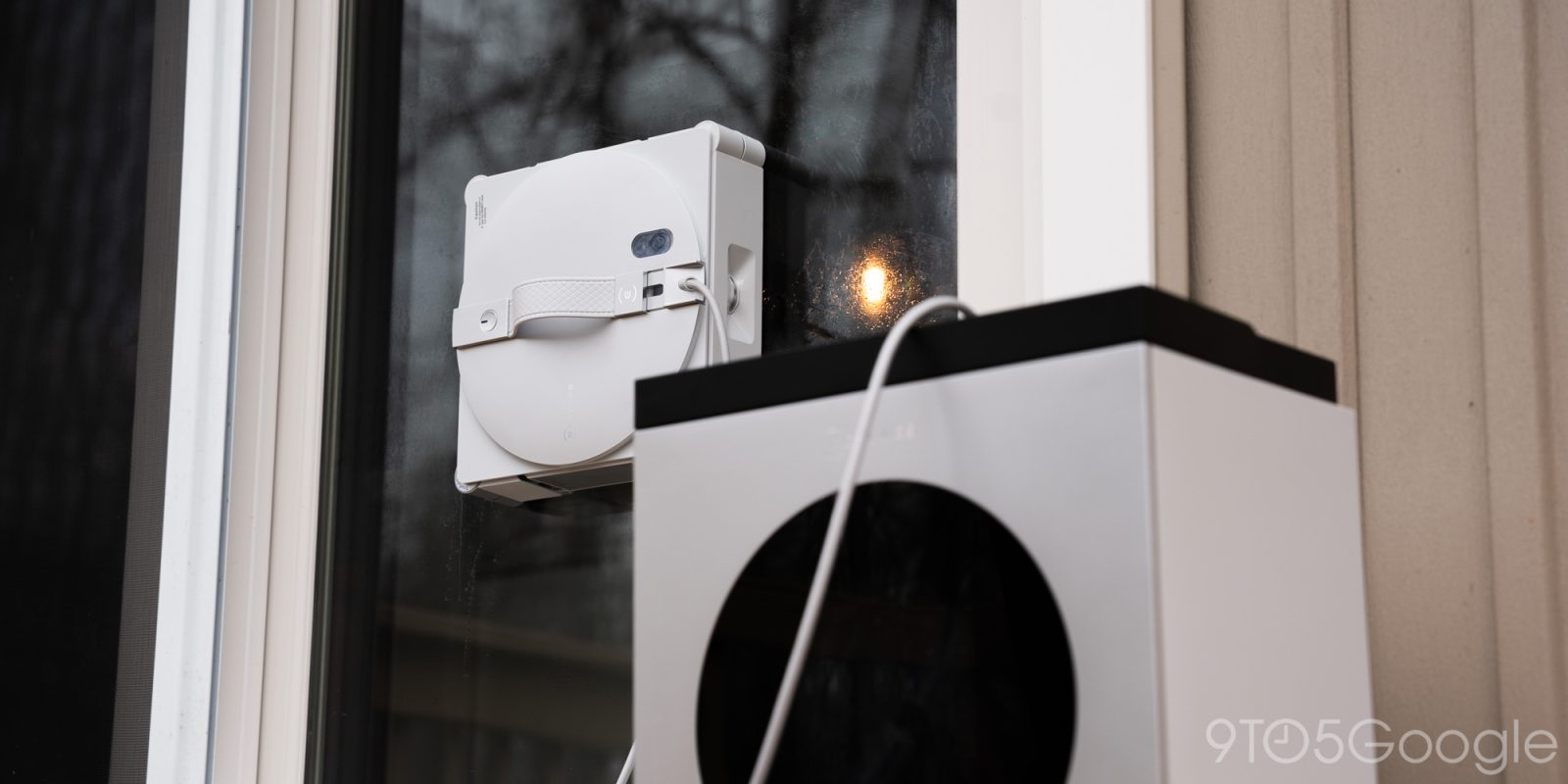
The W3 Winbot stands out with its all-in-one design—it not only wipes and dries windows but also dispenses cleaning fluid automatically, eliminating the need for prior spraying. Its dual-suction motor provides strong adherence to vertical surfaces, while smart path planning ensures full coverage without missing spots. Unlike earlier models, the W3 features an upgraded battery that lasts up to 45 minutes on a single charge, enough for multiple average-sized windows. The device also includes a safety tether and fall sensors to prevent accidents. While other robots may rely on manual refills, the W3’s internal reservoir and automatic spray system make it a true hands-off solution for sparkling glass.
Who should consider buying the Ecovacs W3 Winbot?
This robot is a game-changer for anyone with windows taller than they are—think second-story windows, high-rise apartments, or skylights. It’s also ideal for large homes with extensive glass facades, sliding doors, or picture windows that are tough to reach manually. Busy professionals or those with limited mobility will appreciate the time savings and reduced effort. However, it may be overkill for small spaces with few windows or for users who prefer traditional cleaning methods. In essence, if climbing ladders or stretching awkwardly to clean glass sounds dangerous or tedious, the W3 is worth the investment.
How does the W3 Winbot handle tall or oversized windows?
The W3 is specifically built for tall windows. Its powerful vacuum system creates a secure seal against the glass, allowing it to climb vertically and even work on horizontal or tilted surfaces. The robot uses a combination of edge detection sensors and an internal gyroscope to navigate from top to bottom in a systematic zigzag pattern. Once it reaches the bottom, it can automatically pause and request a reposition if the window is too wide—though manual help may be needed for extremely large panes. The included safety tether attaches to a window latch or hook, giving extra peace of mind for high-clearance jobs.
Is the Ecovacs W3 Winbot safe to use on all window types?
Yes, the W3 is designed for both framed and frameless windows made of glass, including tempered, laminated, and even some coated surfaces. It comes with two sets of cleaning cloths—a microfiber pad for standard glass and a smoother pad for delicate coatings. The robot’s quad-sensor system constantly monitors pressure and tilt, so it won’t fall off even if the window is wet or slightly angled. However, Ecovacs advises against using it on textured or frosted glass, as the suction may weaken. For very dusty or dirty windows, a quick manual pre-rinse is recommended to avoid smearing.
How does the W3 compare to manual window cleaning?
Manual cleaning can be faster for a single small window, but the W3 excels in consistency and safety. It cleans without streaks in most cases, applying an even layer of solution and wiping in overlapping passes. The robot reaches spots human arms cannot, and it never misses corners if the window is within its size limits. On the downside, manual cleaning allows you to target stubborn spots instantly, while the robot may require two cycles for heavily soiled glass. Also, the upfront cost of the W3 is higher than a simple squeegee, but it can pay off in time saved over months and years.
What are the main limitations of the Ecovacs W3 Winbot?
While impressive, the W3 has some constraints. It cannot clean windows with deep frames or those set behind certain types of window guards. The robot may struggle with extreme dirt—like mud splatters—requiring a manual pre-wipe. Battery life limits the number of windows it can do in one go; in a large home, you might need to charge mid-session. The robot is also relatively loud at around 60 dB (comparable to a vacuum cleaner). Finally, it only works on glass, not mirrors, glossy tiles, or other reflective surfaces. These limitations mean it’s best suited for routine maintenance rather than deep cleaning.
How easy is it to set up and maintain the W3?
Setup is straightforward: attach the safety tether, fill the water reservoir with the provided cleaning solution, and press start. The robot pairs with a remote control or the Ecovacs app (Android/iOS) for scheduling and manual override. Maintenance involves rinsing the cleaning cloths after each use, refilling the liquid, and occasionally cleaning the suction vents. The filters are reusable and should be replaced every few months. Ecovacs provides a user manual with clear diagrams, and the app offers troubleshooting videos. Overall, it takes about five minutes to set up and minimal ongoing effort to keep running.
What is the price and overall value of the Ecovacs W3 Winbot?
The W3 Winbot typically retails between $350 and $450, depending on promotions and bundle deals. It’s more expensive than basic window cleaning robots that lack automatic spray, but its all-in-one functionality justifies the price for many users. Annual operating costs are low—just replacement cloths (about $15 per set) and cleaning fluid (often a one-time purchase if you use your own diluted detergent). For safety-conscious homeowners, the value is undeniable, as it eliminates ladder-related risks. However, if you only have a few windows you can easily reach, a traditional squeegee remains more economical.