Galaxy Z Fold 8: Does a smaller selfie camera cutout really matter?
Recent rumors suggest Samsung is planning to shrink the selfie camera cutout on the upcoming Galaxy Z Fold 8. While this sounds like a subtle design tweak, it raises an important question: is this change something users actually care about? In this Q&A, we break down the leak, its potential impact, and whether it should influence your upgrade decision.
What is the rumored change to the Galaxy Z Fold 8 selfie camera cutout?
According to early leaks, Samsung is allegedly reducing the size of the under-display selfie camera cutout on the Galaxy Z Fold 8. The current generation (Fold 7) has a noticeable circular hole or a small notch, depending on the variant. The new design is expected to make that cutout even smaller—likely just a tiny pinhole—to maximize the usable screen area. This change would align with a broader industry trend toward minimal bezels and unobtrusive front cameras. However, it's important to note that this is still a rumor and Samsung hasn't confirmed any specific dimensions or placement. The goal, as with most such tweaks, is to make the selfie camera less visually distracting while maintaining image quality.
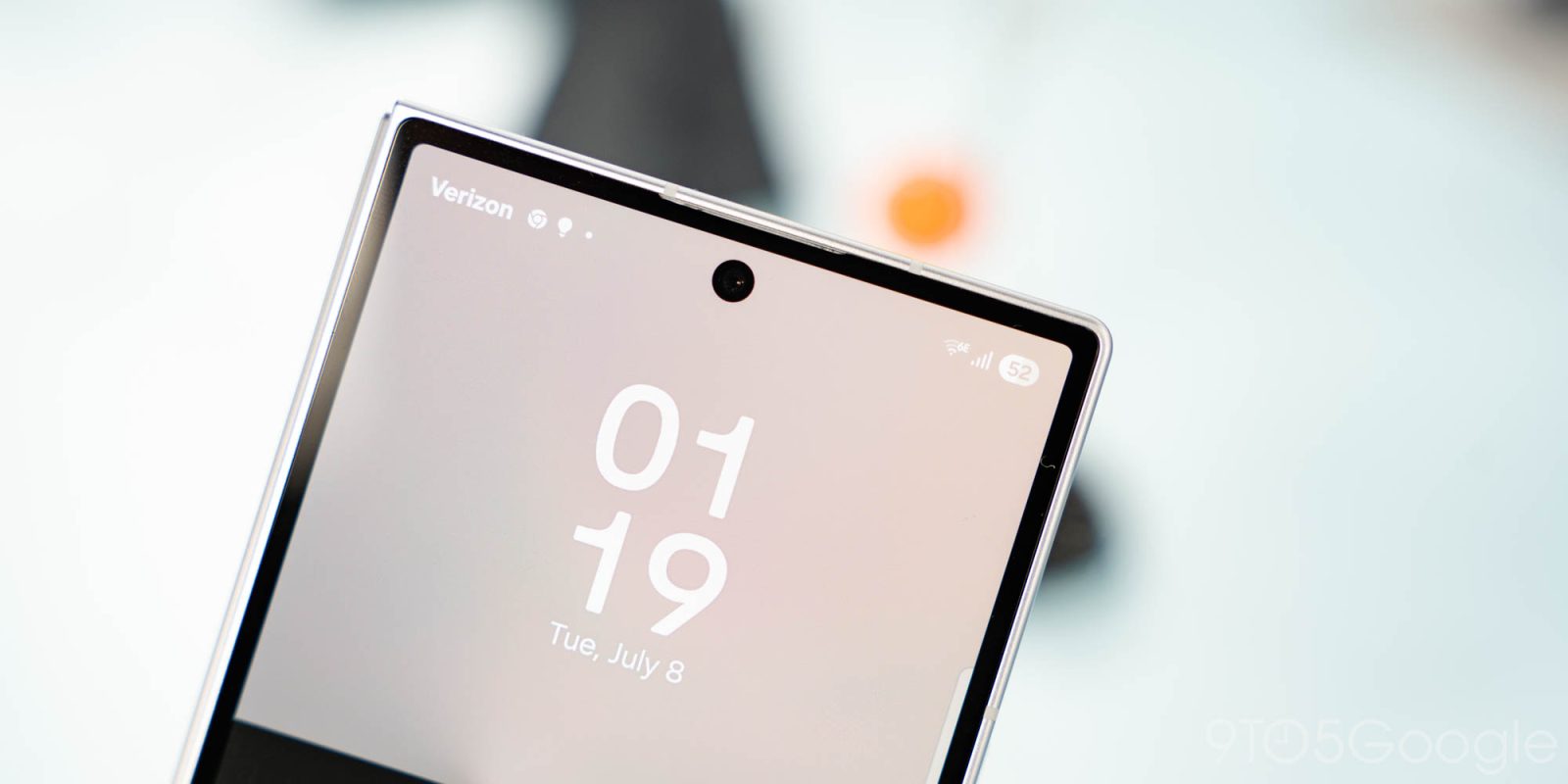
Why would Samsung focus on such a minor change?
Even small design adjustments can have a big impact on user experience and sales. By shrinking the selfie camera cutout, Samsung aims to offer a more immersive full-screen experience, which is a key selling point for foldable devices. The Galaxy Z Fold series is priced at a premium, and buyers expect cutting-edge design. A smaller cutout may seem trivial, but in a crowded market, it can become a competitive differentiator. Additionally, this move could help Samsung quietly test new under-display camera technology for future models. While it's not a revolutionary feature, it demonstrates the company's commitment to refining every detail. For existing Fold users, it might also be the kind of incremental improvement that justifies an upgrade—especially if they find the current cutout distracting during media consumption.
Does shrinking the cutout affect camera quality or functionality?
In most cases, reducing the size of the camera cutout has a minimal direct impact on photo quality, but it introduces engineering challenges. To fit the same sensor and lens array into a smaller opening, manufacturers often need to tweak optical design or software processing. If Samsung manages to maintain or even improve current selfie camera performance while cutting the cutout size, it would be a win. However, if the sensor is downgraded or the lens suffers from light dispersion issues, users might notice softer images or more noise in low light. The good news is that Samsung has a strong track record in camera innovation, so they likely won't compromise quality. Any minor trade-offs could be addressed via computational photography—like the enhanced night mode and AI sharpening already found in Galaxy phones.
Do most Galaxy Z Fold owners actually care about the cutout size?
This is the core question of the original leak. While some power users and tech enthusiasts obsess over every millimeter of bezel or notch, the average buyer might not even notice a 2mm reduction. For many, the selfie camera cutout is a non-issue because they rarely use the front-facing camera for serious photography. However, there is a segment of users—those who watch a lot of videos, play games, or use the unfolded display for productivity—who find any screen interruption annoying. In community forums and surveys, a modest percentage mention cutout size as a factor in their satisfaction. So while it's not a deal-breaker for most, it could be a nice-to-have improvement that contributes to overall device elegance. Samsung likely knows this and is balancing the effort against potential marketing buzz.
How does this compare to competitors like the OnePlus Open or Pixel Fold?
Competitor foldables have taken different approaches to the front camera. The OnePlus Open features a small circular hole punch, while Google's Pixel Fold opts for a slightly larger cutout. Huawei has experimented with under-display cameras that hide the lens entirely. If Samsung shrinks the cutout further, it would put the Galaxy Z Fold 8 closer to the OnePlus Open in terms of screen purity, but still behind Huawei's truly hidden solution. However, hidden under-display cameras often suffer from image clarity issues—something Samsung might want to avoid. By keeping a visible but smaller cutout, they can preserve camera quality while reducing visual distraction. This middle-ground approach could appeal to users who want the best of both worlds: an immersive screen without sacrificing photo performance.
Could this be part of a larger trend in smartphone design?
Absolutely. Since the early days of notches and punch-holes, the industry has been on a relentless quest to minimize any screen obstructions. We've seen pop-up cameras, sliding mechanisms, and now under-display sensors. Yet each solution comes with trade-offs in durability, waterproofing, or image quality. Shrinking the cutout is a safe, evolutionary step. It allows manufacturers to refine existing technology without radical redesigns. For the Galaxy Z Fold line, which already has a unique form factor, a smaller cutout further distinguishes it from traditional candy-bar phones. It's part of a broader movement toward true edge-to-edge displays, and we'll likely see similar changes in the next Galaxy S series as well. In the long run, even minor reductions add up to the ultimate goal: a seamless, uninterrupted screen.
Is the cutout change enough reason to upgrade from the Z Fold 7?
If you're strictly considering the selfie camera cutout as a deciding factor, the answer is probably no. The Galaxy Z Fold 7 already offers an excellent display and a decent selfie camera. A slightly smaller hole won't transform your daily usage. However, if Samsung pairs this change with other meaningful upgrades—better battery life, enhanced cameras, a lighter frame, or improved software features—then the cutout reduction could be a nice bonus that pushes you to upgrade. For first-time foldable buyers, this alteration might not be a primary decision driver, but it adds to the overall premium feel. Ultimately, your upgrade decision should be based on the full feature set, price, and how much you value small aesthetic improvements. The cutout alone? Not a game-changer, but a sign that Samsung is paying attention to details.