Behind the Scenes of Artemis: The Problem Solver at NASA’s Launch Control
Introduction: A Dream That Became Reality
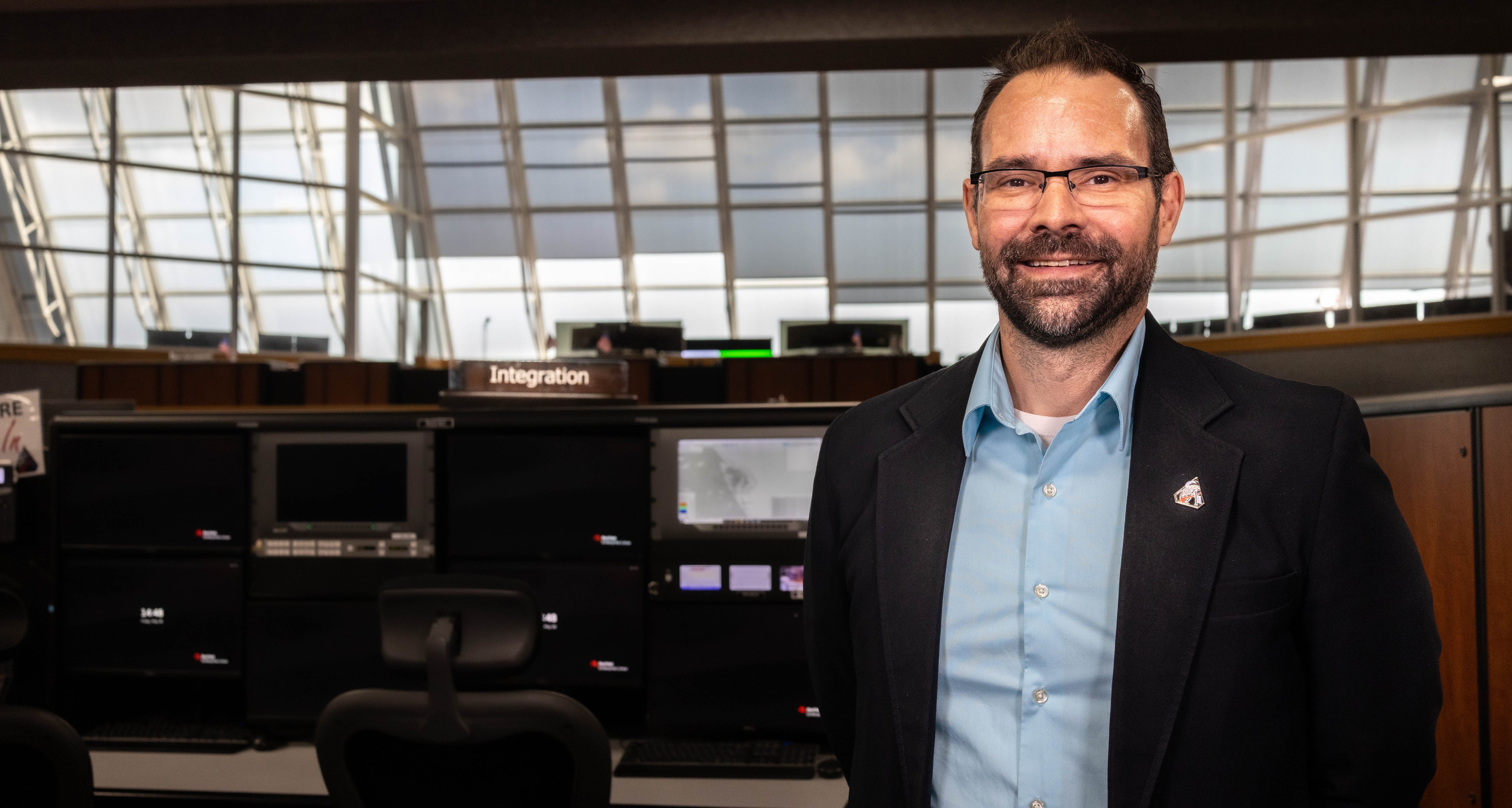
As a college student walking through a job fair, Anton Kiriwas paused at a booth displaying an awe-inspiring image of the Moon and Mars. The scene captured his imagination, yet it felt like a distant fantasy—something far beyond reach. Little did he know, years later he would become a vital part of NASA’s Artemis program, helping to launch humans back to the Moon for the first time in over half a century. Today, Kiriwas serves as senior technical integration manager for the agency’s Exploration Ground Systems (EGS) Program, a role that places him at the nerve center of launch operations.
From College Dream to NASA Career
Kiriwas began his professional journey during the Space Shuttle Program, working for United Launch Alliance (ULA)—the same organization that hosted that memorable Moon-and-Mars booth he saw in college. That early exposure to spaceflight sparked a passion that would define his career. Not long after joining ULA, he transitioned to NASA as a civil servant, focusing on designing electrical systems for ground infrastructure. This work paved the way for his current role with EGS, where he now oversees the complex integration of ground systems that support Artemis launches.
Reflecting on his path, Kiriwas emphasizes that his official title may be long, but his job boils down to one simple function: solving problems. "My official title is way too long – what I do is pretty simple: I solve problems for the ground systems," he explains. "Our goal is to process, launch, and recover the spacecraft. There are a lot of ground systems that are used to go do that and a lot of people involved. A big part of my job is to go solve all the problems that come."
The Role of Senior Technical Integration Manager
As senior technical integration manager, Kiriwas acts as the linchpin connecting numerous engineering disciplines. His primary responsibility is to ensure that the multitude of ground systems—from fueling and electrical power to data networks and mechanical handling—work together seamlessly during the launch countdown. This requires not only deep technical knowledge but also exceptional communication and coordination skills.
One of his key functions is serving as a launch project engineer. In this capacity, he sits at the integration console in the center of Firing Room 1 inside the Launch Control Center at NASA’s Kennedy Space Center in Florida. From this strategic vantage point, he serves as the bridge between test management and engineering teams. He and his fellow launch project engineers report directly to the launch director, providing the final technical recommendation on any issues that arise during the countdown. "We are united under one mission: launch the spacecraft and crew safely," Kiriwas notes.
A Day in the Launch Control Center
The atmosphere inside Firing Room 1 during a launch countdown is electric. Teams from multiple disciplines—propulsion, electrical, avionics, software, and more—are arrayed at consoles, each monitoring critical systems. Kiriwas, positioned at the integration console, cross-checks data from all these groups, looking for anomalies or conflicts. When a problem surfaces, he coordinates the response, pulling in the right experts and escalating only when necessary.
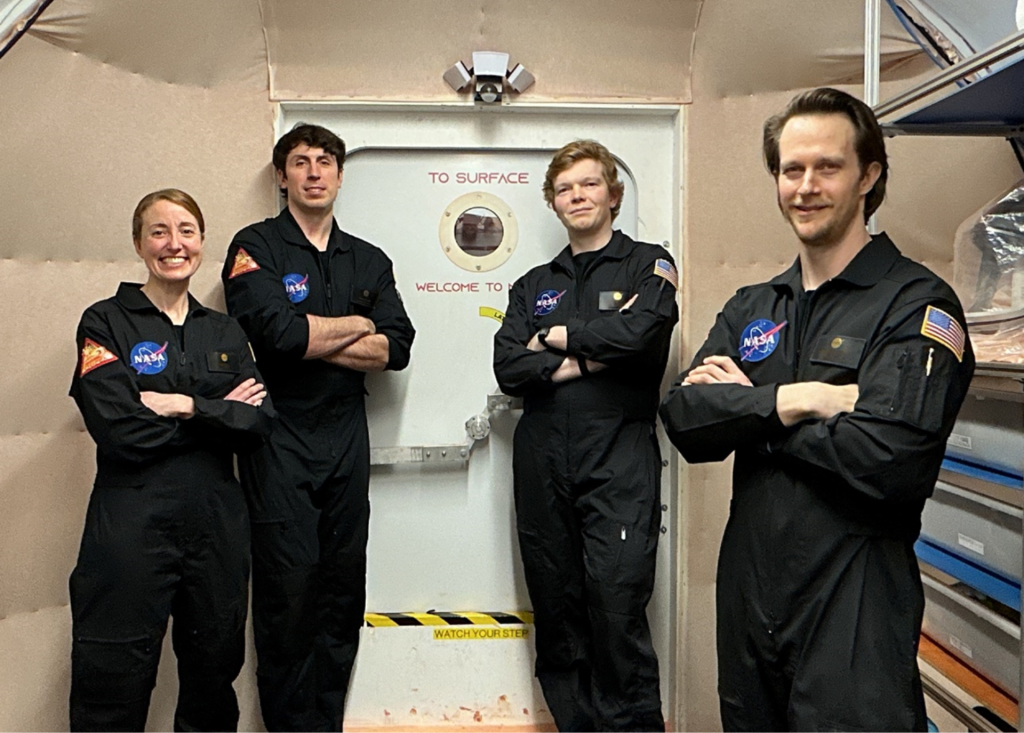
To prepare for these high-stakes moments, Kiriwas participates in regular launch countdown simulations. During a recent Artemis II simulation in October 2025, he and the team ran through a variety of launch-day scenarios, testing software and adjusting procedures. "Simulations are crucial because they reveal how our tools and teams react under pressure," he explains. "We can identify weak points and make changes before the real event."
The Challenges and Rewards of Launch Day
Despite the intensity of launch day, Kiriwas reflects that it can often feel easier than the lead-up, precisely because of the thorough preparation. The weeks and months before a launch are filled with troubleshooting, design reviews, and system checks. When the countdown finally begins, the team’s training kicks in. "We’ve already solved most of the hard problems by then," he says. "On launch day, we’re just executing."
The greatest reward for Kiriwas is seeing a mission succeed. He recalls watching the Artemis I launch in 2022, the first integrated test of the SLS rocket and Orion spacecraft. "To see all that work—years of design, testing, and integration—culminate in that moment of lift-off is indescribable," he shares. "That’s why we do this."
Looking ahead, Kiriwis is focused on Artemis II and Artemis III, which will carry the first woman and the next man to the lunar surface. His role will continue to evolve, but his mission remains constant: solve problems, support the team, and help humanity return to the Moon. As he puts it, "Every launch is a new challenge, but also a new opportunity to prove what we can achieve together."
Conclusion: A Legacy in the Making
Anton Kiriwas’s journey from a college student captivated by a Moon-and-Mars poster to a key figure in humanity’s return to the lunar surface is a testament to the power of perseverance and problem-solving. His work with NASA’s Exploration Ground Systems ensures that the Artemis missions are supported by reliable, safe, and efficient ground operations. As the agency prepares for the next giant leap, problem solvers like Kiriwas will be the unsung heroes behind the scenes, turning distant dreams into reality.