NVIDIA and ServiceNow Unveil Autonomous AI Agent Platform for Enterprise Workflows
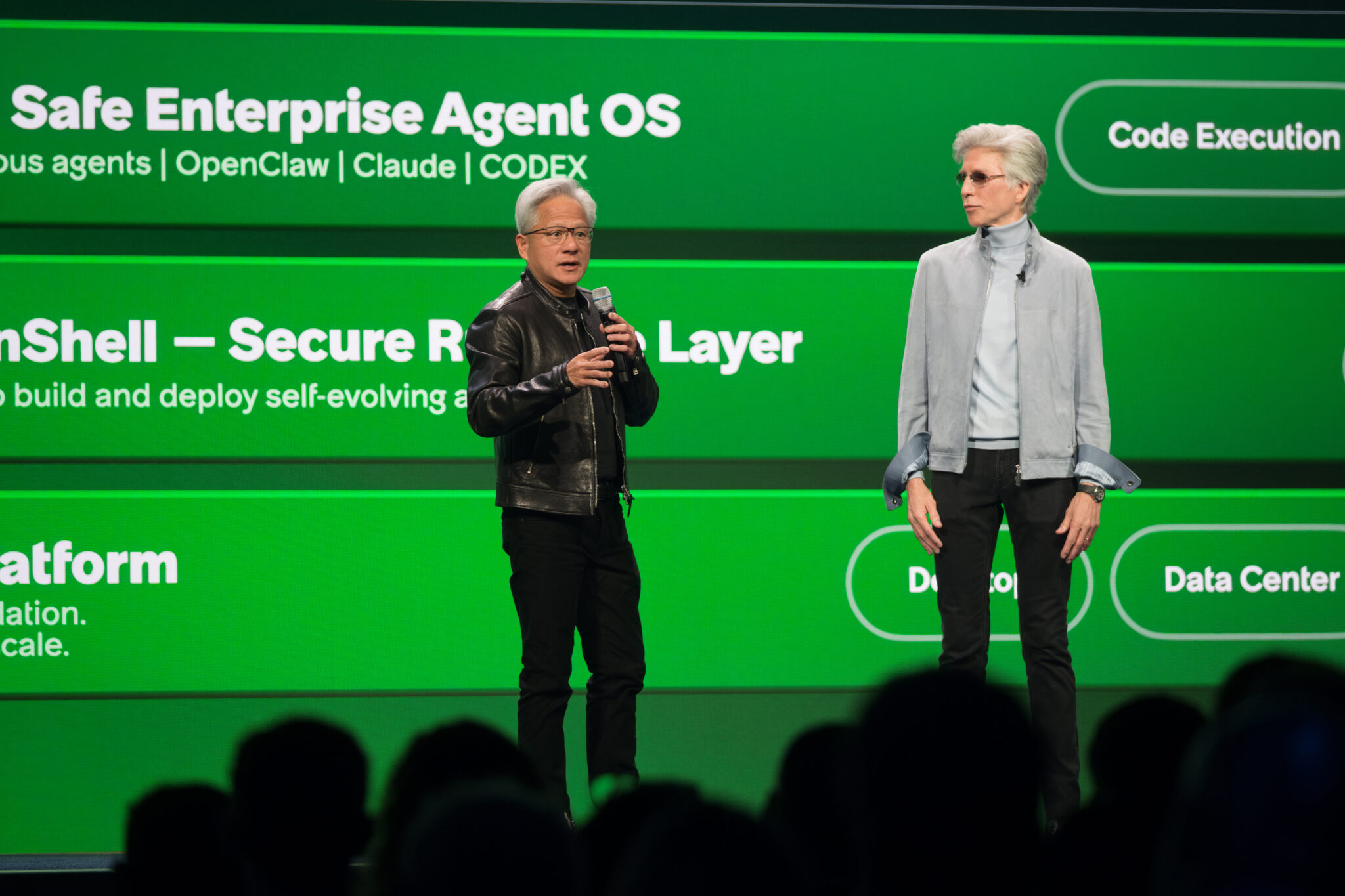
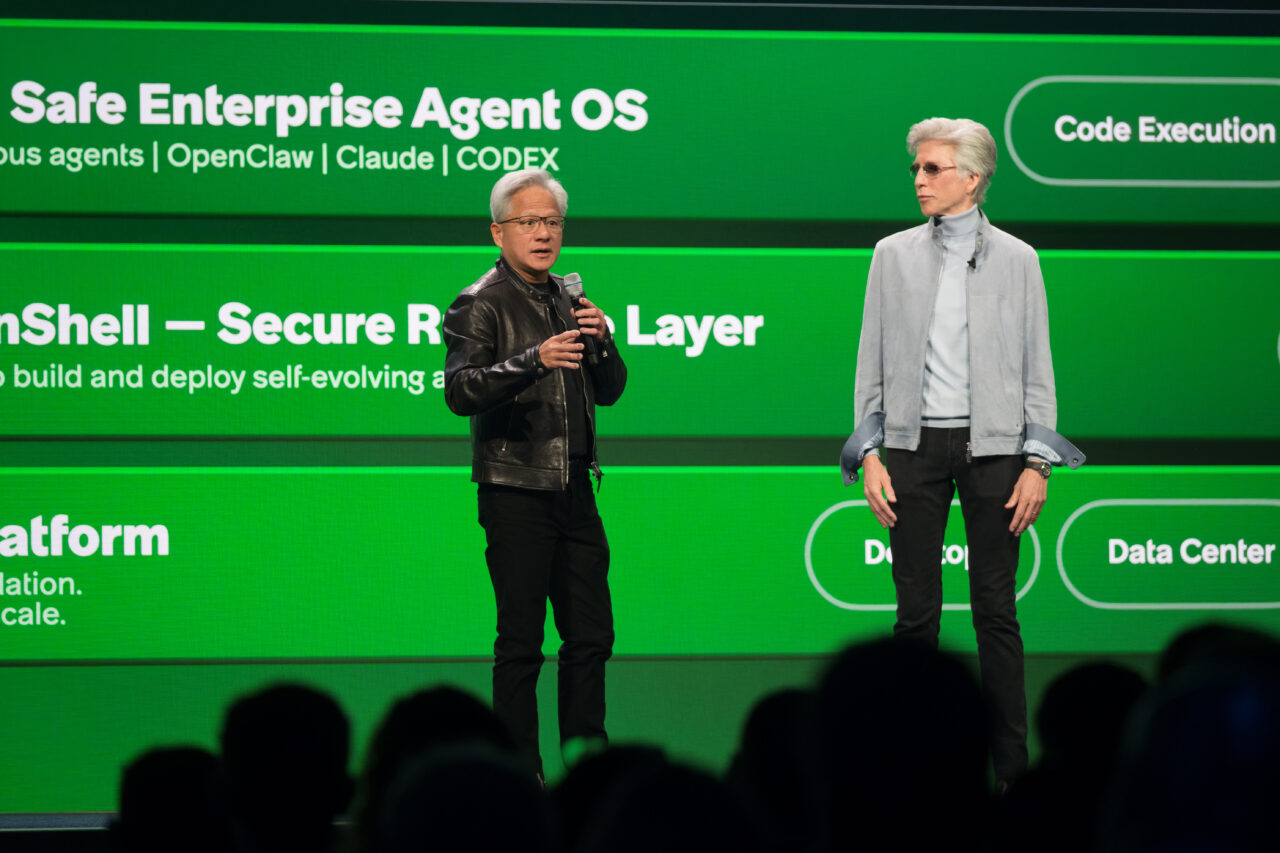
BREAKING: NVIDIA and ServiceNow have announced a major expansion of their partnership, introducing a new class of autonomous AI agents designed to operate securely within enterprise environments. The unveiling took place at ServiceNow Knowledge 2026, where Jensen Huang and Bill McDermott shared the stage to detail Project Arc — a long-running, self-evolving desktop agent for knowledge workers.
The collaboration targets a critical shift: from AI that generates and reasons to AI that acts independently across real-world workflows. Project Arc connects natively to ServiceNow's AI Platform through the ServiceNow Action Fabric, bringing governance, auditability, and workflow intelligence to every agent action. It can access local file systems, terminals, and installed applications to complete complex, multistep tasks that traditional automation cannot handle.
"Project Arc represents the next step in our ongoing collaboration with NVIDIA, bringing autonomous execution to the desktop," said Jon Sigler, executive vice president and general manager of AI Platform at ServiceNow. "By combining OpenShell's runtime layer with ServiceNow AI Control Tower, and powered by ServiceNow Action Fabric, we're delivering the governance and security that enterprise AI requires."
The agents are designed around three core enterprise requirements: open models and domain-specific skills that can be customized, security that prevents exposure of sensitive data, and efficient tokenomics powered by AI factories. ServiceNow is building on NVIDIA’s OpenShell — an open-source secure runtime for developing and deploying autonomous agents in sandboxed, policy-governed environments. Enterprises can define what an agent can see, which tools to use, and how each action is contained.
Background
Enterprise AI has progressed from generating content to reasoning through complex prompts. Now, companies need systems that can act autonomously while maintaining context, control, and consistency. Early agent systems showed promise but lacked the secure governance required for enterprise scale.
NVIDIA and ServiceNow have a history of collaborating on enterprise AI infrastructure. The new partnership extends their work across the full stack — combining NVIDIA accelerated computing, open models, and secure agent execution software with ServiceNow's enterprise workflow context and AI Control Tower governance.
What This Means
This announcement signals a shift from experimental AI agents to production-ready systems that can autonomously handle complex, multi-step tasks in real business environments. For knowledge workers — developers, IT teams, administrators — Project Arc could reduce repetitive work and accelerate processes previously too complex for automation.
By integrating governance from the start, NVIDIA and ServiceNow are addressing a key barrier to enterprise AI adoption: trust. The use of OpenShell ensures agents operate within strict boundaries, while the Action Fabric provides audit trails. This could pave the way for broader deployment of autonomous agents across industries, from IT operations to customer service.
However, experts caution that long-running agents still pose risks if not properly supervised. The partnership emphasizes that control mechanisms are built into the architecture, not added later. As enterprises evaluate these tools, the focus will be on balancing autonomy with accountability.
For more details, see the background and what this means sections.