The Hidden Link: A Step-by-Step Guide to Climate Change and Seasonal Allergies
Overview
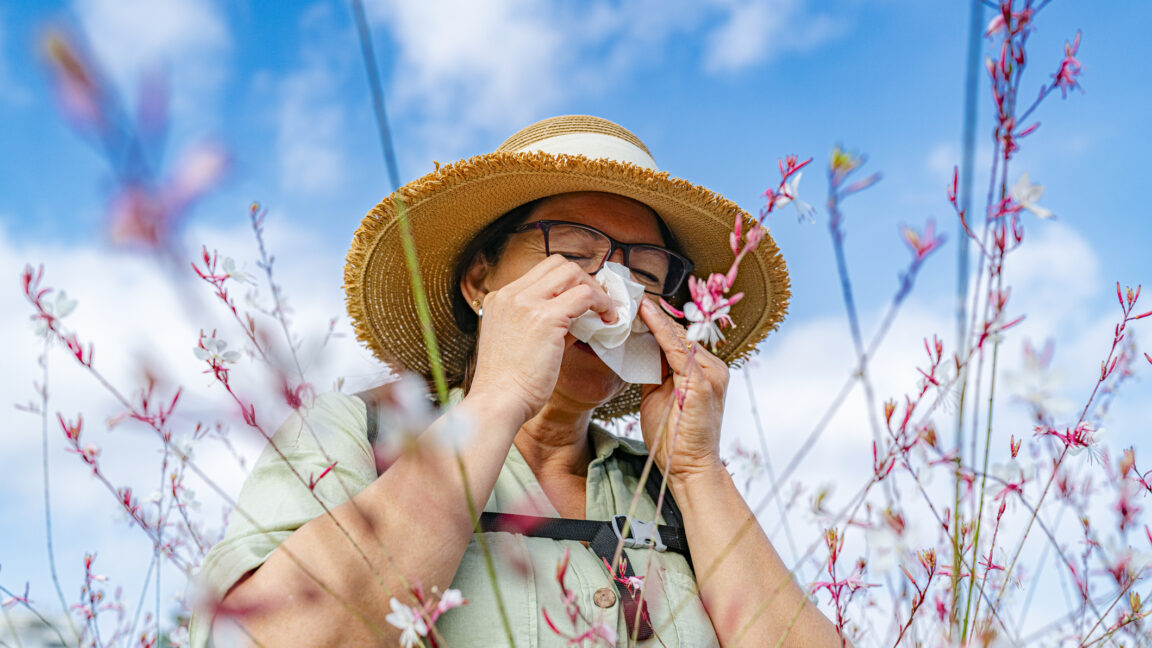
If your springtime allergies seem to get worse every year, you are not imagining things. Climate change is making pollen seasons longer, more intense, and more unpredictable across the Northern Hemisphere. According to Dr. Neelima Tummala, an ear, nose, and throat specialist at NYU Langone Health, many of her patients now arrive each spring convinced that their allergy symptoms are the worst they have ever experienced—and the data suggests they are right. Approximately one in four U.S. adults and one in five children suffer from seasonal allergies, translating to millions of Americans who face runny noses, itchy eyes, asthma flare-ups, and other miserable symptoms each spring. These effects can range from mild inconvenience to serious medical emergencies. This guide explains how climate change amplifies allergy seasons, what you can do to prepare, and how to avoid common pitfalls.
Prerequisites
Before diving into the guide, you should have a basic understanding of what seasonal allergies are (an immune system reaction to pollen) and an awareness that climate change involves rising temperatures and altered weather patterns. No specialized medical or scientific knowledge is needed. All you need is an interest in protecting your health and the environment.
Step-by-Step Instructions
Step 1: Understand How Climate Change Lengthens Pollen Seasons
Warmer temperatures and increased carbon dioxide (CO₂) levels directly affect plants. As springs arrive earlier and autumns linger later, the frost-free growing season expands—sometimes by several weeks. This gives plants a longer window to produce and release pollen. Studies show that in the Northern Hemisphere, pollen seasons now start up to 20 days earlier and last an average of 8 to 10 days longer than they did a few decades ago. The same warming also encourages some plants—particularly ragweed and grasses—to produce more pollen per plant. Higher CO₂ acts like fertilizer, boosting pollen output by 60 to 80 percent in some species.
Step 2: Recognize the Direct Impact on Your Body
More pollen floating in the air for a longer time means more opportunities for your immune system to react. Common symptoms include sneezing, nasal congestion, itchy or watery eyes, scratchy throat, and fatigue. For asthmatics, pollen can trigger coughing, wheezing, and even life-threatening attacks. Dr. Tummala notes that many patients report their worst allergy years recently. The longer season essentially gives allergic reactions more time to build, and the higher pollen counts overwhelm even people who previously had mild allergies. Children, the elderly, and those with pre-existing respiratory conditions are especially vulnerable.
Step 3: Monitor Pollen Forecasts and Plan Ahead
Knowledge is power. Check local pollen counts daily, especially during spring and fall peaks. Many weather apps and websites provide forecasts for tree, grass, and ragweed pollen. On high-pollen days (often warm, dry, and windy), try to stay indoors during peak hours (early morning and late afternoon). Close windows and use air conditioning with a clean filter. If you go outside, wear a hat and sunglasses to reduce pollen contact. Changing clothes and showering after being outdoors can also help minimize indoor pollen exposure.
Step 4: Use Proactive Medication Strategies
Do not wait until symptoms become unbearable. For best results, start taking over-the-counter antihistamines or nasal corticosteroid sprays a week or two before your typical allergy season begins. This pre-treatment can calm your immune system before the first wave of pollen hits. If symptoms persist, consult a healthcare provider about prescription options such as stronger antihistamines, leukotriene receptor antagonists, or immunotherapy (allergy shots or sublingual tablets). Dr. Tummala advises that patients who start medications early often experience much better control.
Step 5: Create an Allergy-Proof Home Environment
Reduce indoor pollen by keeping windows closed, using air purifiers with HEPA filters, and vacuuming frequently with a HEPA-equipped vacuum. Wash bedding weekly in hot water and dry it indoors, not on an outdoor clothesline where pollen can attach. Remove shoes at the door, and consider a “pollen-free zone” in your bedroom. High-efficiency furnace filters (rated MERV 11 or higher) can also trap pollen entering the house from forced-air systems. These small changes can dramatically lower your daily allergic load.
Step 6: Support Climate Change Mitigation Efforts
While individual actions may not reverse global trends, collective efforts matter. Reducing your carbon footprint—by using public transportation, conserving energy, eating a plant-rich diet, and supporting clean energy policies—can help slow the climate shifts that worsen allergy seasons. Even local actions like planting low-pollen trees and greenspaces in your community can reduce pollen exposure. Every step counts, both for your health and the planet’s.
Common Mistakes
- Waiting too long to treat symptoms. Many people only take allergy medication after they are already miserable. By then, the immune response is in full swing and harder to calm. Start medications before the season starts.
- Relying solely on antihistamines. Antihistamines help with sneezing and itching but often do little for nasal congestion. For complete relief, combine them with a nasal corticosteroid spray or use a decongestant (sparingly).
- Ignoring indoor air quality. Leaving windows open on a spring day may feel nice, but it invites pollen inside. Rely on air conditioning or fans instead.
- Blowing off the pollen forecast. A sudden spike in pollen can catch you unprepared. Check forecasts daily and adjust your outdoor plans accordingly.
- Not consulting a specialist. If your allergies are severe or do not respond to over-the-counter treatments, a visit to an allergist or ENT (ear, nose, and throat doctor) like Dr. Tummala can offer more tailored solutions, including skin testing and immunotherapy.
Summary
Climate change is not a distant threat—it is making your spring allergies worse right now. Longer pollen seasons, higher pollen counts, and earlier starts combine to create a perfect storm of misery for millions. By understanding the science, monitoring pollen levels, starting treatment proactively, and making small adjustments at home, you can significantly reduce your allergy burden. Finally, remember that tackling climate change at the community and global level will also help bring relief. Your allergies are real, and you have tools to manage them.