Historic Fossil Fuel Transition Summit: Key Outcomes and Roadmaps from Santa Marta
Introduction
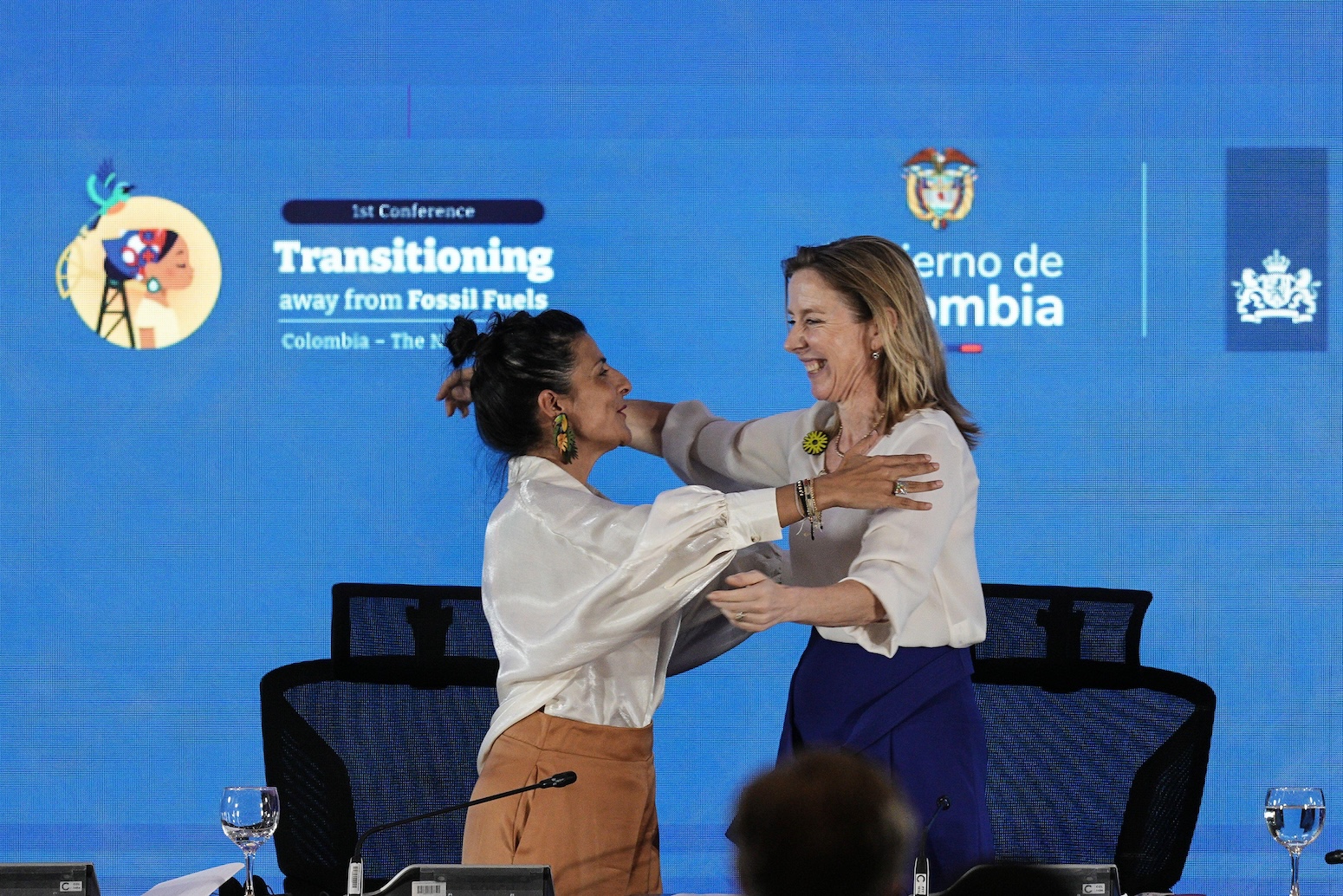
The first global conference focused exclusively on transitioning away from fossil fuels concluded in Santa Marta, Colombia, with participants walking away with concrete plans for national roadmaps, new tools to tackle harmful subsidies, and a pledge to continue the dialogue in the Pacific. Held from 24–29 April, the summit drew representatives from 57 countries, collectively accounting for one-third of the world’s economy. Against the backdrop of ongoing conflicts, volatile oil markets, and intensifying extreme weather, ministers and envoys engaged in unusually frank discussions about the obstacles to a clean energy future. This article distills the key takeaways.
A New Format for Climate Talks
The summit was co-hosted by Colombia and the Netherlands, who devised a format that participants described as “refreshing”, “highly successful”, and “groundbreaking”. Instead of large plenary sessions, small meeting rooms allowed for open and honest conversations about the real barriers countries face when moving away from coal, oil, and gas. This approach marked a departure from traditional COP negotiations, fostering a more collaborative atmosphere.
High-Level Segment and Closed-Door Discussions
The high-level segment on 28–29 April featured ministers and climate envoys delivering national statements and pledges. However, the most productive exchanges happened behind closed doors, where countries shared best practices, financial hurdles, and political challenges. These discussions helped shape the final outcomes.
Key Outcomes and Commitments
The most significant result was the agreement by numerous nations to develop national roadmaps for phasing down fossil fuel production and use. The summit also introduced new approaches to address carbon-intensive trade and eliminate harmful subsidies that prop up the fossil fuel industry. A final document, the Santa Marta Action Insights Report, summarizes these commitments and provides a framework for follow-up.
Colombia’s Fossil-Fuel Roadmap
Colombia itself committed to creating a detailed national roadmap for transitioning away from coal, oil, and gas, setting an example for other resource-rich countries. The roadmap will outline timelines, investment needs, and social safeguards.
Next Hosts Announced
At the conclusion of the summit, Tuvalu and Ireland were announced as the co-hosts of the second conference, scheduled for 2027 in the Pacific island nation. This choice underscores the importance of including vulnerable states in shaping the energy transition.
The Role of Science
Science played a central role at the Santa Marta talks. A science pre-conference held on 24–25 April brought together 400 academics from around the world. During this event, a new Science Panel for Global Energy Transition was launched. Its mission is to provide agile, bespoke analysis to countries seeking to accelerate their shift away from fossil fuels, translating complex research into actionable policy advice.
The panel aims to fill a gap that exists between IPCC reports (which are often slow and broad) and the rapid, context-specific information that national governments need. Colombian environment minister Irene Vélez Torres, a former academic herself, emphasized the importance of evidence-based decision-making, telling journalists: “We need to ground our policies in the best available science.”

Leadership from Colombia and the Netherlands
The idea for a dedicated fossil-fuel transition conference emerged during tense negotiations at the COP30 climate summit in Belém, Brazil. A group of around 80 nations had pushed for a formal “roadmap” away from fossil fuels in the COP30 outcome text, but the effort ultimately failed. In response, Colombia and the Netherlands stepped forward to co-host the Santa Marta summit. The Brazilian COP30 presidency also promised to present an “informal” fossil-fuel roadmap later this year, drawing on the Santa Marta discussions.
Colombia’s decision to host the summit was particularly bold, given that the country remains a significant oil and coal producer. Yet its leadership signaled a willingness to confront the paradox and chart a new path.
Indigenous and Civil Society Voices
The summit included a dedicated day for subnational governments, parliamentarians, and stakeholders, with strong representation from Indigenous communities and civil society. These groups highlighted the need for a just transition that protects frontline communities, respects land rights, and ensures that fossil fuel workers are not left behind. Their perspectives were integrated into the final Action Insights Report, which includes commitments to inclusive decision-making.
Looking Ahead: Second Summit in Tuvalu
The success of the Santa Marta summit has set a precedent for future gatherings. With Tuvalu and Ireland as co-hosts for the 2027 conference, the focus will likely shift to the unique challenges faced by small island developing states (SIDS) and the role of international finance. The momentum from the first summit will be carried forward through bilateral roadmaps and the ongoing work of the Science Panel for Global Energy Transition.
As the world grapples with the urgency of the climate crisis, the Santa Marta meeting demonstrated that direct, honest dialogue can produce tangible outcomes—and that a future beyond fossil fuels is not only necessary but achievable.