First Fossil Fuel Transition Summit Ends with National Roadmap Commitments, New Tools to Curb Subsidies
Summit Delivers Concrete Action Plans
Breaking: 57 nations, representing one-third of the global economy, have concluded the first-ever summit focused on transitioning away from fossil fuels. The conference in Santa Marta, Colombia, produced commitments to develop national roadmaps for phasing out coal, oil, and gas.
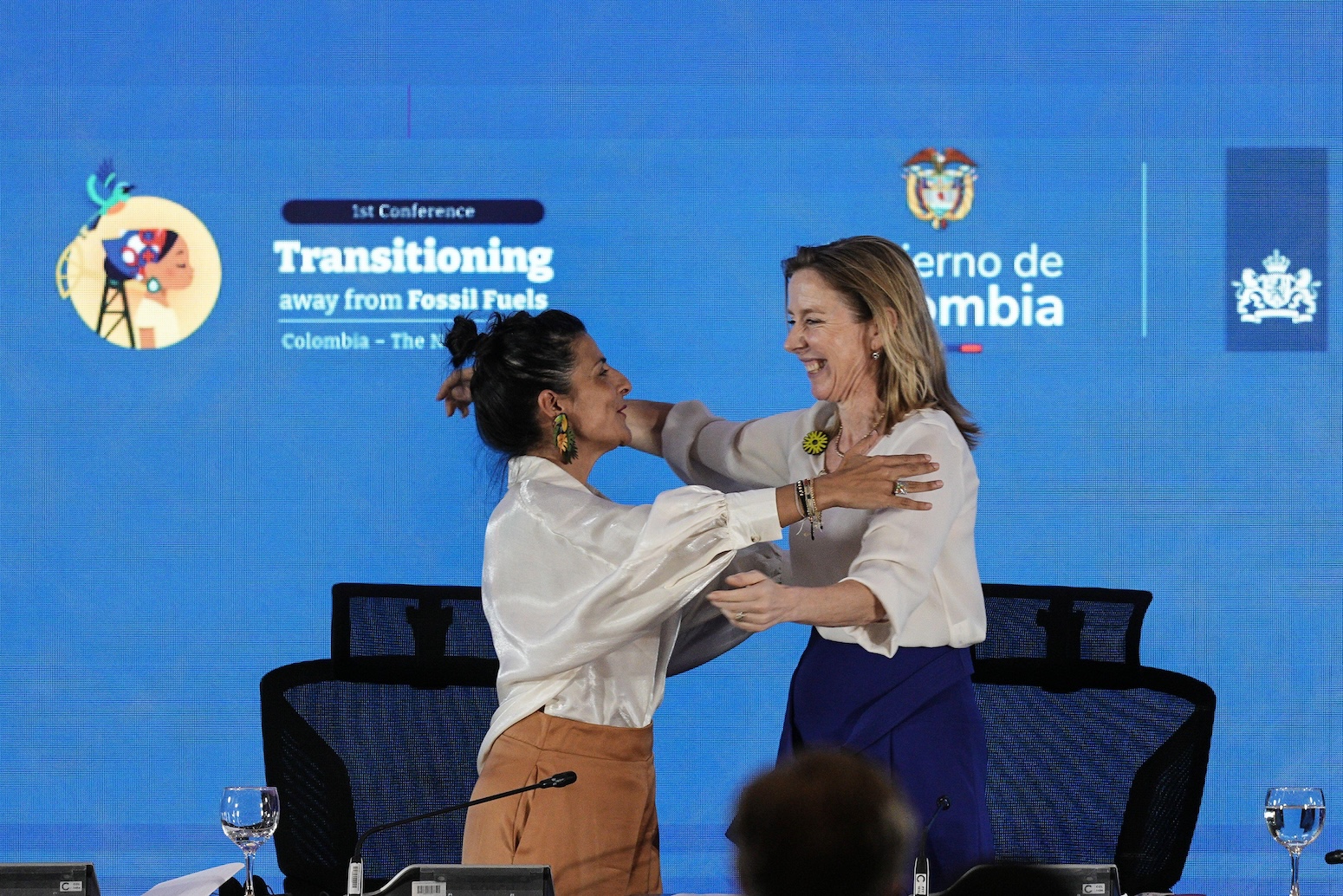
Delegates also agreed on new mechanisms to tackle harmful fossil fuel subsidies and carbon-intensive trade. The outcomes were described as "groundbreaking" and "highly successful" by participating countries.
Historic Gathering Amid Global Crises
Held from April 24-29, the summit brought together ministers and climate envoys against a backdrop of war, an oil crisis, and worsening extreme weather. Small meeting rooms hosted open and frank discussions about barriers to the clean energy transition.
"This new format was refreshing and highly successful," said a spokesperson from one attending nation. Colombian Environment Minister Irene Vélez Torres emphasized the role of science, stating, "We need to ensure our decisions are grounded in the latest research."
Background: From COP30 to Santa Marta
The idea for a dedicated fossil-fuel transition conference emerged during tense final negotiations at the COP30 climate summit in Belém, Brazil. Colombia and the Netherlands jointly announced the Santa Marta summit after a push by some 80 nations for a formal "roadmap" away from fossil fuels failed to make it into COP30's final text.
However, the Brazilian COP30 presidency pledged to present an "informal" fossil-fuel roadmap, drawing on Santa Marta's discussions. The conference included a science pre-conference with 400 academics, a subnational day, and a high-level ministerial segment.

Key Outcomes and New Tools
Countries left Santa Marta with plans to create national transition roadmaps and new tools to address fossil fuel subsidies. The summit also launched a new science panel to provide agile, bespoke analysis for nations accelerating their transition.
Tuvalu and Ireland were announced as co-hosts for the second summit, scheduled for 2027 in the Pacific island nation. The conference also saw strong participation from Indigenous groups and civil society.
What This Means: Global Shift Gains Momentum
This first summit signals a significant shift in international climate diplomacy, moving from general pledges to concrete action plans. National roadmaps will provide measurable targets and timelines for phasing out fossil fuels, potentially influencing global energy markets.
The creation of tools to curb subsidies and carbon-intensive trade could reshape economic incentives. However, success hinges on implementation and continued political will. The upcoming 2027 summit in Tuvalu will test whether momentum can be sustained.
This is a developing story. Check back for updates.