AI Data Center Boom Strains Denmark’s Green Grid, Triggers Connection Freeze
Copenhagen, Denmark – Denmark’s world-leading renewable energy grid is cracking under the weight of artificial intelligence data centers. The nation’s grid operator, Energinet, has slammed the brakes on new connections to its power network, warning that the surge in demand from AI facilities threatens to destabilize the entire system.
“We have reached a breaking point where we can no longer guarantee grid stability without risking blackouts,” said Lars Andersen, Energinet’s head of grid operations. “The current pace of data center construction is simply unsustainable for our infrastructure.” Andersen’s comments came hours after Energinet announced an immediate moratorium on all new grid connection applications.
Background: A Clean Energy Success Story Under Siege
Denmark generates more than 80% of its electricity from renewable sources—primarily wind power from its vast onshore and offshore farms. The country has long been held up as a global model for the clean energy transition, investing billions over decades to build a flexible, decarbonized grid.
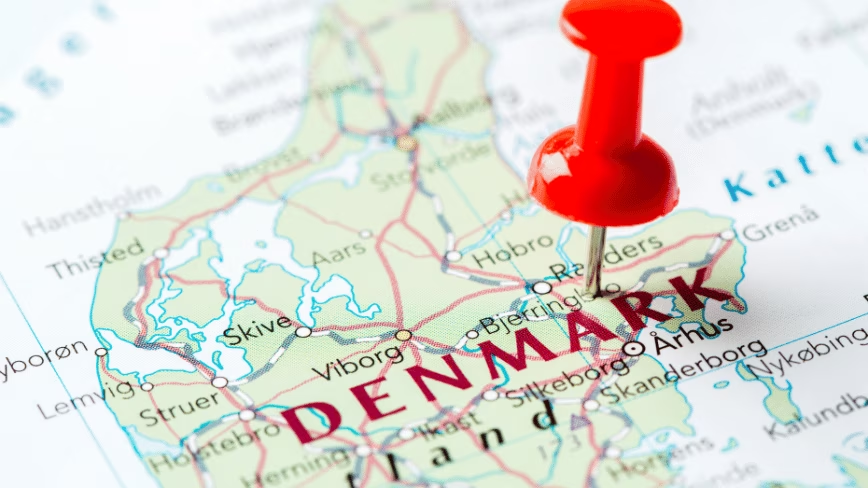
But the rapid expansion of energy-intensive AI data centers has thrown that model into doubt. These facilities require constant, high-capacity power for computing and cooling, placing unprecedented strain on local grids. In March, Energinet quietly paused all new grid connection requests, a move that surprised industry analysts and renewable energy advocates.
What This Means: A Wake-Up Call for the Digital Economy
The freeze sends a stark message well beyond Denmark. If one of the world’s most advanced clean energy grids cannot keep up with AI data centers, others will struggle even more. “Denmark is a canary in the coal mine for data center growth,” said Dr. Helena Moreau, energy policy expert at the Copenhagen Institute. “If we don’t invest massively in grid upgrades and smarter demand management, the digital transition will collide head-on with the climate transition.”

The implications are twofold: First, companies planning new AI facilities in Denmark now face indefinite delays, potentially driving investment to countries with weaker environmental standards. Second, grid operators everywhere will need to fast-track upgrades, including battery storage, demand response systems, and expanded transmission capacity.
- Immediate impact: At least five planned data center projects in Denmark are on hold, representing over 2 gigawatts of potential capacity.
- Long-term risk: Without action, Denmark’s renewable energy targets—and its reputation as a green leader—could be undermined.
Energinet has promised a review of its connection procedures within six months and is exploring “innovative solutions” such as time-of-use pricing and on-site generation requirements for new data centers. “This pause is not the end of the story,” Andersen emphasized. “It’s a necessary recalibration so we can grow sustainably.”
Denmark’s government has also taken note. Climate Minister Rasmus Helveg Petersen stated, “We are in active discussions with Energinet and industry leaders to ensure our grid can support both climate goals and digital innovation. No country can afford to choose between them.”
The situation underscores a fundamental tension: the very technology that promises to accelerate climate research and energy efficiency—AI—is itself becoming a major energy consumer. How Denmark resolves this crisis could set a precedent for the entire global energy industry.